Flexible Learning Resources
Flexible learning resources are materials and tools that support learning anytime, anywhere, and at the learner’s own pace. They are designed to accommodate different learning styles, schedules, and abilities.
Examples and description of flexible learning resources:
Online learning materials – e-books, PDFs, recorded lectures, and articles that learners can access at any time
Mobile learning resources – educational apps, podcasts, and videos accessible via smartphones
Self-paced modules – learning units that students complete independently
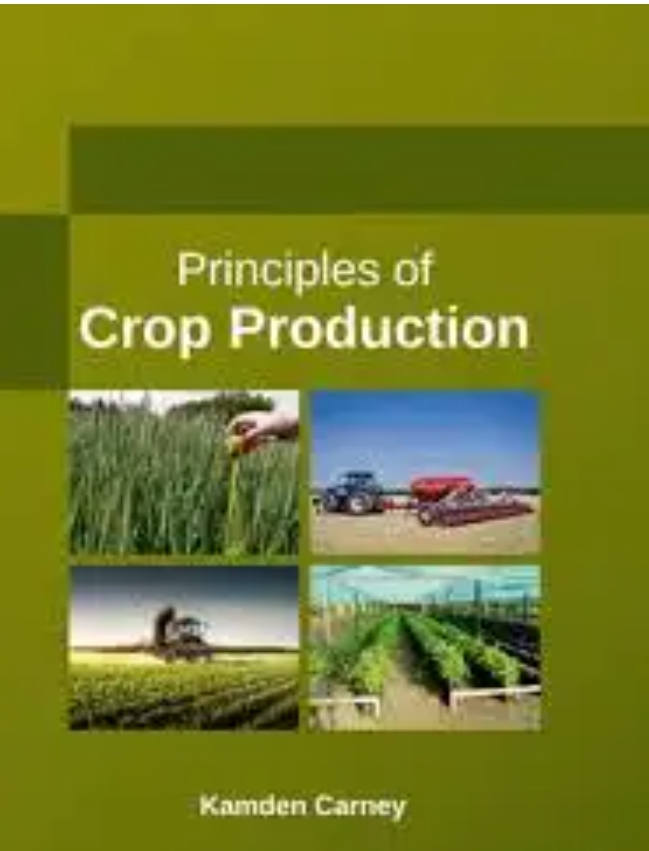
Printed materials – study guides, handouts, and textbooks for offline learning
Open Educational Resources (OERs) – free online courses, videos, and learning materials
These resources allow learners to control the time, place, and speed of learning.
Blended Learning Resources
Blended learning resources support a combination of face-to-face and online learning. They are used both in the classroom and through digital platforms to enhance teaching and learning.
Examples and description of blended learning resources:
Learning Management Systems (LMS) – platforms like Moodle or Google Classroom for assignments, quizzes, and discussions
Multimedia resources – videos, animations, simulations, and presentations
Classroom resources – textbooks, whiteboards, charts, and laboratory equipment
Online assessment tools – quizzes, tests, and feedback tools
Communication tools – discussion forums, emails, video conferencing tools (e.g., Zoom, Google Meet)
These resources help link online learning with classroom interaction.